Tree Removal Mount Nelson TAS
Posted on: 2026-05-31
By: Clara Jennings
When considering the safety and aesthetics of your property, understanding tree removal is crucial. What if that towering tree in your yard poses a risk rather than a benefit? Uncover the essentials of tree management to make informed decisions for your landscape.
What You Will Learn
- Tree removal is vital for safety when a tree is dead, dying, or poses a hazard during storms.
- Differentiating tree removal, stump removal, and pruning helps homeowners choose the right service for their needs.
- Signs of tree health issues include leaf discoloration, visible damage, and fungal growth at the base.
- Proper preparation and timing for tree removal can enhance safety and efficiency during the process.
Key Differences in Tree Services
Understanding the distinctions between tree removal, stump removal, and pruning is crucial for effective property management. Each service addresses unique needs, as outlined below.
Tree Removal
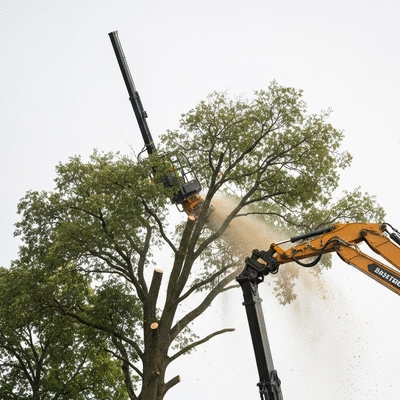
Involves cutting down the entire tree and removing it completely from the site.
Stump Removal
The process of grinding or removing the tree stump left after a tree has been cut down.
Pruning
Refers to the selective cutting of branches to improve the tree's health or aesthetics.
Seasonal Tree Care Considerations
Considering seasonal factors can significantly impact the outcome and ease of your tree removal project.
Understanding Tree Removal Services in Mount Nelson
As an arborist, I often get questions about tree removal services and when they are truly necessary. In Mount Nelson, a community known for its natural beauty and residential areas, understanding the ins and outs of tree management is essential for both safety and aesthetics. You can find more information about local services and the Nelson County area, including Nelson County, VA, which offers details on various community resources. Trees provide us with shade and beauty, but there are times when they can become hazardous to our homes or health.
So, when do you need to consider removing a tree? Common reasons include signs of disease, structural instability, or if the tree is obstructing construction. If you're unsure about your tree's health, I recommend consulting a professional like us at Hobart Tree Removal Experts to assess the situation. For broader information on tree services, resources like the Nelson County Business Directory can help you find local providers.
What is Tree Removal and When is it Necessary?
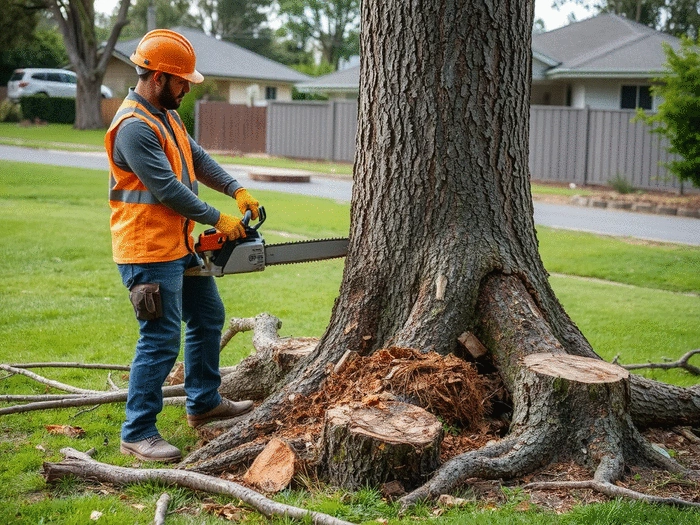
Tree removal is the process of safely cutting down a tree and removing it from your property. This might seem straightforward, but it requires expertise to ensure that it’s done safely and with minimal impact on the surrounding area. Here are some reasons tree removal might be necessary:
- Hazardous conditions: Trees that are dead or dying can pose serious risks, especially during storms.
- Root issues: Trees with extensive root systems can damage foundations, driveways, or underground utilities.
- Space requirements: Sometimes, trees need to be removed to make way for new construction or landscaping projects.
Each situation is unique, and that’s where my team’s experience in tree care shines. We prioritize safety and the environment, ensuring that any removal is done responsibly. For more insights into assessing tree risks and the necessity of removal, the Arbor Day Foundation provides valuable resources.
Key Differences: Tree Removal, Stump Removal, and Pruning
It's essential to distinguish between tree removal, stump removal, and pruning, as these services serve different purposes:
- Tree Removal: Involves cutting down the whole tree and removing it completely from the site.
- Stump Removal: This process involves grinding or removing the tree stump left after a tree has been cut down.
- Pruning: Refers to the selective cutting of branches to improve the tree's health or aesthetics.
Understanding these differences helps homeowners make informed decisions based on their specific needs. At Hobart Tree Removal Experts, we can guide you through which service is best suited for your property.
The Importance of Tree Health in Removal Decisions
Before deciding to remove a tree, assessing its health is crucial. A tree that may appear unhealthy could still be salvageable through proper care. Here are a few signs to look for:
- Leaf discoloration: Yellow or sparse leaves can indicate underlying problems.
- Visible damage: Cracks in the trunk or dead branches suggest that the tree may be in distress.
- Fungal growth: Mushrooms growing at the base can signal decay inside the tree.
As a passionate arborist, I always advocate for exploring all options before opting for removal. Sometimes, a little pruning can extend a tree’s life significantly! If you suspect a tree’s health is declining, don't hesitate to contact us for a professional assessment.
Pro Tip
When considering tree removal, always remember that not all trees need to be cut down. Regular assessments can identify health issues early on, allowing for treatments that can extend the life of a tree significantly. Consulting with a certified arborist can provide insights specific to your situation, potentially saving you the cost and hassle of removal.
Frequently Asked Questions About Tree Removal
- Q: When is tree removal absolutely necessary?
- A: Tree removal is necessary when a tree is dead, dying, poses a significant hazard (e.g., structural instability, extensive root damage to property), or obstructs new construction. Professional assessment is recommended to confirm necessity.
- Q: What are the main differences between tree removal, stump removal, and pruning?
- A: Tree removal involves cutting down and completely removing the entire tree. Stump removal is the process of grinding or extracting the remaining stump after a tree has been cut. Pruning refers to the selective cutting of branches to improve a tree's health, shape, or aesthetics without removing the whole tree.
- Q: What signs indicate a tree might be unhealthy and need attention?
- A: Signs of an unhealthy tree include leaf discoloration (yellowing or sparse leaves), visible damage like cracks in the trunk or dead branches, and fungal growth (mushrooms) at the base, which can indicate internal decay.
- Q: How should I prepare for a tree removal appointment?
- A: To prepare, clear the area around the tree of any obstacles (furniture, decorations), inform your neighbors if the tree is near property lines, and ensure pets are kept safely indoors or away from the work area.
- Q: Does the time of year affect tree removal?
- A: Yes, timing can affect the outcome. Removing trees during the dormant season (late fall to early spring) is often less stressful for the tree and the surrounding ecosystem. Spring and summer may introduce additional hazards like nesting birds or bees, which can complicate the process.
Getting Started with Your Tree Removal Project
Are you looking to take the first step in your tree removal project? At Hobart Tree Removal Experts, we understand that the process can feel overwhelming. But don’t worry! We are here to guide you through it, ensuring everything goes smoothly right from the start.
The first thing you’ll want to do is request a quote for our tree removal services. This is an essential step to understand the costs involved and to get a clear picture of what your project will entail. Our team is dedicated to providing transparent pricing and will walk you through every detail!
How to Request a Quote for Tree Removal Services
- Visit our website and fill out our quote request form.
- Provide details about the tree, including its type, size, and condition.
- Specify any concerns you have about the tree’s location or potential hazards.
- Schedule a time for our team to assess the tree and your property.
Once we have the necessary information, we’ll get back to you promptly with a detailed quote. Feel free to ask any questions during this process—we're here to help!
Preparing for Your Tree Removal Appointment
Preparation is key to ensuring a successful tree removal experience. Here are a few steps to take before our team arrives:
- Clear the area around the tree of any obstacles, such as furniture or garden decorations.
- Inform your neighbors, especially if the tree is close to property lines.
- Ensure pets are kept indoors or away from the work area for everyone’s safety.
By doing these simple things, you’ll help us work efficiently and safely, leading to a smoother process overall!
Seasonal Tree Care: Preparing for Your Tree Removal
Timing can significantly affect the outcome of your tree removal project. It’s important to consider seasonal factors when planning. Here are a few reasons why:
- Removing trees during the dormant season (late fall to early spring) is often less stressful for the tree and the surrounding ecosystem.
- Spring and summer might bring additional hazards, like bees or nesting birds, which can complicate the removal process.
- Planning ahead means we can ensure that the tree removal aligns with your overall landscape management strategy.
At Hobart Tree Removal Experts, we believe that understanding these seasonal aspects can enhance the care you provide for your trees and property. If you have questions about the best timing for your project, feel free to reach out!
Recap of Key Points
Here is a quick recap of the important points discussed in the article:
- Tree removal is necessary when trees are dead, dying, or pose a hazard, especially during storms.
- Understanding the difference between tree removal, stump removal, and pruning is crucial for homeowners.
- Assessing tree health can sometimes prevent the need for removal; signs include leaf discoloration, visible damage, and fungal growth.
- Preparation for the tree removal process includes clearing the area, informing neighbors, and ensuring pets are safe.
- Timing your tree removal project with seasonal factors can enhance safety and effectiveness.
