Tree Removal in Hobart Guide
Have you ever looked up at a towering tree and wondered whether it might be time to let it go? Understanding when and why to seek professional tree removal services can not only save you from potential hazards but also enhance the beauty of your landscape.
What You Will Learn
- The importance of hiring professional arborists for safe and efficient tree removal.
- Common scenarios that necessitate tree removal, such as storm damage and overcrowding.
- When to seek emergency tree services to prevent potential risks to safety and property.
- The step-by-step process of tree removal to ensure safety and proper execution.
- The significance of stump grinding and tree pruning for maintaining a healthy landscape.
Safe Tree Removal Processes Overview
This visual outlines the systematic process and key considerations for professional tree removal, highlighting safety and efficiency.
Tree Removal Process Stages
1
Initial Assessment & Planning
Evaluate tree condition, risks, and surrounding environment.
2
Safe Removal Execution
Utilize specialized equipment for careful removal.
3
Cleanup & Site Restoration
Ensure property is neat and tidy post-removal.
Essential Tools & Equipment
- ✓
Cranes: For tall or difficult-to-reach trees.
- ✓
Chainsaws: For cutting thick branches and trunks.
- ✓
Chippers: For efficient disposal of branches.
When Tree Pruning is Essential
![Dead Branches]()
Dead or Dying Branches
Remove risks & pests.
![Overcrowded Growth]()
Overcrowded Growth
Improve air circulation.
![Shaping Trees]()
Shaping Trees
Enhance natural beauty.
Understanding Tree Removal Services in Hobart
As a passionate arborist, I understand that the thought of tree removal can be daunting for many homeowners. Trees are often cherished parts of our landscapes, but there are times when their removal is necessary for safety reasons. In Hobart, professional tree removal services, like those offered by Hobart Tree Removal Experts, play a crucial role in maintaining the beauty and safety of our community.
In this section, we'll explore why professional tree removal matters, common situations that may require it, and when you should consider calling for emergency tree services. Let's dive in!
Why Professional Tree Removal Matters
Hiring a professional for tree removal isn't just about cutting down a tree; it's about ensuring the safety of your property and the surrounding environment. Here are a few reasons why seeking expert help is vital:
- Safety First: Trained arborists know how to assess risks associated with tree removal and use safe techniques to minimize hazards.
- Proper Equipment: Professionals come equipped with specialized tools that are necessary for different types of tree removal, ensuring an efficient process.
- Environmental Responsibility: Experts understand local ecosystems and can manage tree removal in a way that minimizes environmental impact.
When you work with professionals, you can rest assured that the job will be done correctly, keeping both your property and the community safe!
Common Situations Requiring Tree Removal in Hobart
There are various scenarios that might lead to the need for tree removal. Recognizing these can help you act promptly before a small issue becomes a bigger problem:
- Storm Damage: Trees that have been damaged in storms can pose a significant risk to nearby structures and people.
- Diseased Trees: If a tree shows signs of disease, such as wilting leaves or fungus growth, removal may be necessary to protect healthy trees.
- Overcrowding: In some cases, trees may need to be removed to allow more sunlight and space for other plants to thrive.
Understanding these situations can help you make informed decisions about your trees and enhance the overall health of your landscape. For information on local regulations regarding trees and possible dangers, you can refer to the Hobart Legal Handbook.
Emergency Tree Services: When Immediate Action is Necessary
Sometimes, tree issues can't wait. Emergencies can arise when a tree is at risk of falling or has already fallen, threatening people or property. Here’s when you should seek immediate help:
- Leaning Trees: If a tree is leaning dangerously, it may need to be removed right away to prevent potential harm.
- Downed Trees: Trees that fall during storms need quick attention to clear roads and ensure safety.
- Injured Trees: If a tree has been severely damaged and is at risk of collapse, professional assessment is crucial.
At Hobart Tree Removal Experts, we are ready to respond to emergency calls promptly, ensuring that your safety is our top priority! For local tree management guidelines in Hobart, the Wellington Shire Council website provides valuable resources.
Pro Tip
Before deciding to remove a tree, consider consulting with an arborist for a thorough assessment. They can provide insights on whether the tree can be saved through pruning or treatment for disease, potentially preserving your landscape's beauty and environmental health. The City of Hobart's Environment and Sustainability section also offers guidance on tree care.
Frequently Asked Questions About Tree Removal
What are the primary reasons for professional tree removal?
Professional tree removal is often necessary due to safety concerns (e.g., storm-damaged or leaning trees), disease that threatens other plants, or overcrowding that inhibits other plants' growth. Professionals ensure the job is done safely and efficiently.
When should I consider emergency tree services?
Emergency tree services are crucial when a tree poses an immediate threat to people or property. This includes dangerously leaning trees, trees that have fallen during storms, or severely damaged trees at risk of collapse.
What is the typical process for professional tree removal?
The process generally involves an initial assessment and planning phase (evaluating the tree and surroundings), safe execution of removal techniques using specialized equipment (cranes, chainsaws, chippers), and cleanup with site restoration.
Why is stump grinding recommended after tree removal?
Stump grinding eliminates tripping hazards, prevents pests and decay from spreading, and maximizes space in your yard for new landscaping or planting. It ensures no trace of the tree remains.
How does tree pruning benefit my landscape?
Tree pruning is essential for maintaining tree health and aesthetics. It involves removing dead or dying branches, improving air circulation by addressing overcrowded growth, and shaping trees to enhance their natural beauty and structural integrity.
Safe Tree Removal Processes: What to Expect
When it comes to tree removal, understanding the safe processes involved can make all the difference. At Hobart Tree Removal Experts, we pride ourselves on our systematic approach to ensuring that each removal is conducted with care and precision. Knowing what to expect during this process not only puts your mind at ease but also highlights the importance of hiring a professional.
From the initial evaluation to the final clean-up, our team follows clear steps to ensure your safety and the protection of your property. Here’s a brief overview of the typical stages involved in a tree removal project:
Step-by-Step Overview of Professional Tree Removal
- Initial Assessment and Planning: We evaluate the tree's condition, its surroundings, and potential risks.
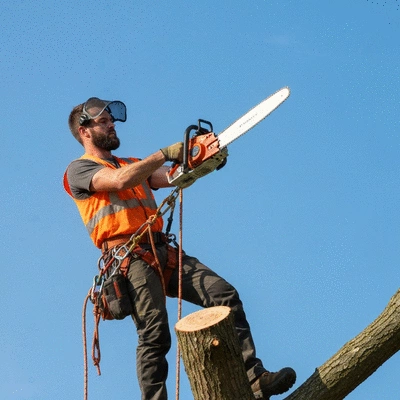
- Execution of Safe Removal Techniques: Using specialized equipment, we carefully carry out the removal.
- Cleanup and Site Restoration: After removal, we ensure your property is left neat and tidy.
Each of these steps is vital for a safe and efficient tree removal process. For instance, during our initial assessment, we also discuss your concerns and outline how we plan to address them. This communication is key to a successful project.
Initial Assessment and Planning for Tree Removal
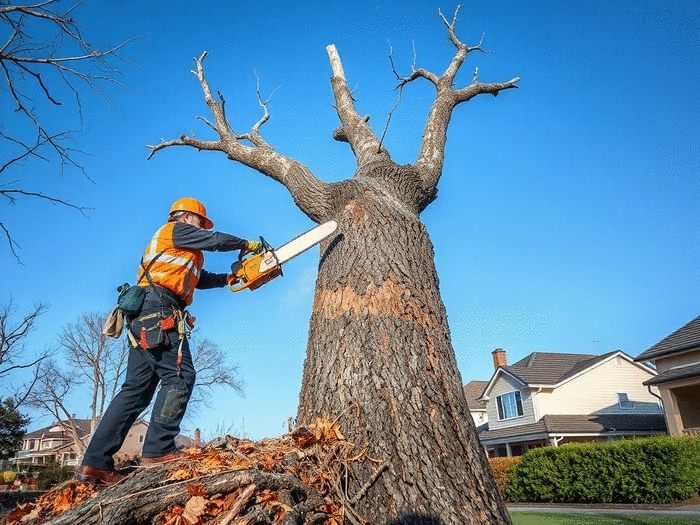
The journey begins with an initial assessment. Our experts inspect the tree to identify any potential hazards, such as proximity to structures or power lines. We also consider the overall health of the tree, which helps us determine the best approach for removal. Understanding these aspects allows us to create a tailored plan that prioritizes safety and efficiency.
During this stage, we also assess any nearby vegetation to ensure that we minimize disruption to the surrounding area. It’s all about planning ahead to avoid any surprises!
Execution of Safe Removal Techniques: Tools and Equipment
Once planning is complete, we move on to the actual removal. Our team is equipped with state-of-the-art tools to ensure the job is done safely. Some of the essential tools we use include:
- Cranes: For tall or difficult-to-reach trees, cranes provide a safe way to manage the removal process.
- Chainsaws: High-quality chainsaws are crucial for cutting through thick branches and trunks.
- Chippers: These help in disposing of branches efficiently, turning them into mulch for landscaping use.
Using the right equipment not only enhances safety but also improves the efficiency of the entire operation. Our team is trained to handle all tools with care, ensuring that the removal process is smooth and controlled.
Additional Services: Stump Grinding and Pruning
After a tree has been successfully removed, it’s important to consider the next steps. We often recommend stump grinding to eliminate any remnants of the tree. This not only improves the aesthetics of your yard but also prevents potential hazards.
Additionally, if you have trees that need pruning, we provide those services too! Regular maintenance helps keep your trees healthy and visually appealing.
Importance of Stump Grinding After Removal
Stump grinding is an essential service that we offer. Leaving a stump can lead to several issues:
- Tripping Hazards: Stumps can be dangerous for your family and guests.
- Pests: Stumps can attract insects and decay, which may spread to healthy trees.
- Space Utilization: Removing the stump opens up valuable space for new landscaping or planting.
By opting for stump grinding, you invest in the long-term health of your landscape. At Hobart Tree Removal Experts, we handle this process efficiently, ensuring no trace is left behind!
When Pruning Is Necessary: Maintaining Tree Health and Aesthetics
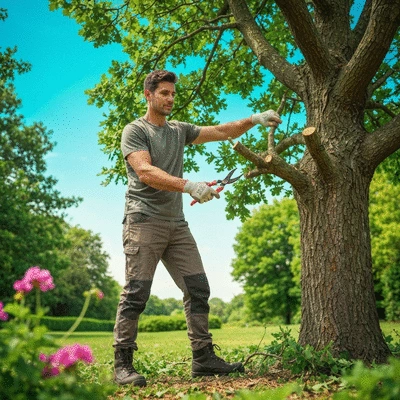
Tree pruning is another service we frequently provide. It's not just about aesthetics; proper pruning is crucial for maintaining the health of your trees. Here’s when you might consider pruning:
- Dead or Dying Branches: These can pose risks to safety and attract pests.
- Overcrowded Growth: Pruning helps improve air circulation and sunlight exposure.
- Shaping Trees: Pruning can enhance the natural shape and beauty of your trees.
With regular pruning, your trees will remain healthy and vibrant, contributing to the overall beauty of your landscape.
Tree Health Assessment: Ensuring Long-Term Safety and Stability
At Hobart Tree Removal Experts, we believe in the importance of ongoing tree health assessments. This ensures your trees are not only safe but also thriving. Regular evaluations allow us to identify issues before they become major problems.
Our assessments consider factors like tree stability, health indicators, and potential risks. By keeping a close eye on your trees, we help you maintain a beautiful and safe environment.
Ready to take the next step? Contact us for a comprehensive tree health assessment or to discuss your tree removal needs today! Your landscape deserves the best care possible, and we're here to provide it.
Recap of Key Points
Here is a quick recap of the important points discussed in the article:
- Safety First: Always hire trained arborists for tree removal to ensure safety for your property and surroundings.
- Common Reasons for Removal: Be aware of issues like storm damage, disease, and overcrowding that may necessitate tree removal.
- Emergency Situations: Act quickly if you notice leaning or downed trees, as these pose immediate risks.
- Professional Process: Expect a systematic approach including assessment, safe removal techniques, and thorough cleanup.
- Stump Grinding and Pruning: Consider these additional services for maintaining the aesthetic and health of your landscape.
![Tree removal process visual]()
Final content section.
![Tree pruning and maintenance]()