Tree Removal Bellerive TAS
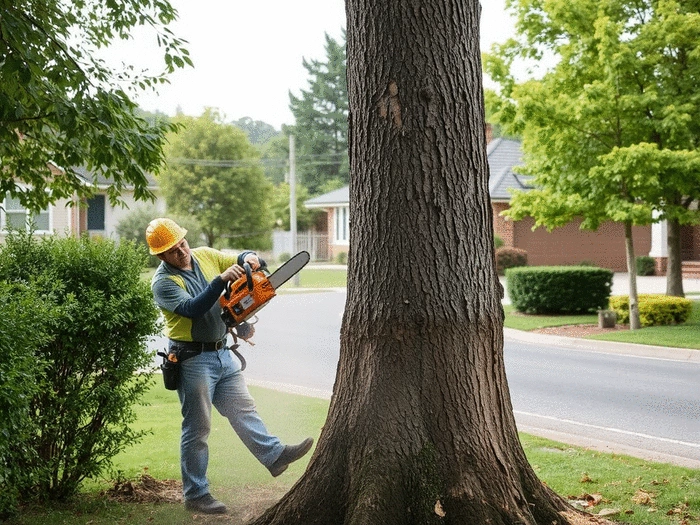
Tree removal in Bellerive requires careful planning, particularly when a tree is growing close to a home, driveway, fence or other part of a residential property. The condition of the tree, available access and surrounding structures all influence how the work can be carried out safely.
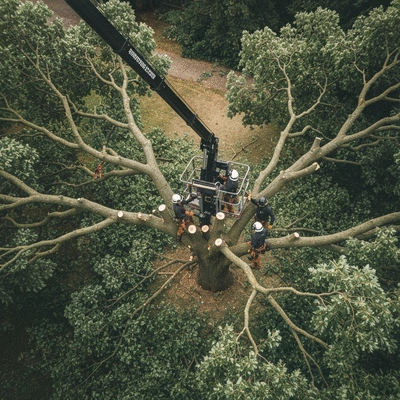
Tree Removal in Bellerive TAS
Tree removal may be necessary when a tree has become damaged, unstable, diseased or unsuitable for its location. Dead branches, trunk damage, significant decay or a noticeable lean can all indicate that a tree should be assessed.
Removal is not always the only option. Depending on the tree's condition, tree pruning or tree lopping may address particular problems while allowing the tree to remain in place.
When Tree Removal May Be Necessary
- Dead, broken or hanging branches create a potential hazard.
- The trunk has cracks, cavities or signs of decay.
- The tree has developed a significant lean or structural weakness.
- Large branches extend over buildings, driveways or areas used by people.
- Roots or tree growth are interfering with parts of the property.
- Storm damage has left the tree unstable or partially broken.
How Tree Removal Works in Bellerive
Tree removal generally begins with an assessment of the tree and its surroundings. The size, condition, position and available working space all need to be considered before deciding how the tree can be safely dismantled.
Where there is insufficient room to fell a tree in one piece, branches and sections of the trunk can be removed progressively and controlled as they are lowered. This can be particularly important where homes, fences, gardens or other structures are close to the tree.
Tree Lopping and Tree Pruning in Bellerive
Tree pruning can be used to remove dead, damaged or poorly positioned branches and address growth affecting buildings or access areas. Tree lopping involves more substantial reduction of growth where required.
The amount of material that should be removed depends on the tree's structure and condition. Pruning should be planned carefully rather than simply removing large amounts of growth without considering how the tree will respond.
Access and Property Considerations
Access can have a significant impact on tree removal. Narrow side access, fences, gardens, driveways and nearby buildings may restrict where equipment can be positioned and where branches can be lowered.
Where working space is limited, the tree may need to be dismantled in smaller sections. Planning the removal around the available access helps reduce the risk of damage to surrounding property.
Storm Damage and Hazardous Trees
Storms can leave branches split, hanging or partially detached. Damage may also affect structural parts of a tree that are difficult to see from the ground.
If a tree has been damaged during severe weather, keeping people and vehicles away from the immediate area until it has been assessed is sensible. Depending on the extent of the damage, pruning or complete removal may be required.
Stump Grinding in Bellerive
After a tree has been removed, the remaining stump can interfere with mowing, landscaping, replanting or future use of the area. Stump grinding removes much of the visible stump below ground level.
The size and location of the stump, along with access to the property, will determine the approach required. Grinding can make it easier to restore the area once the tree removal has been completed.
Land Clearing in Bellerive
Land clearing can involve removing trees, vegetation and existing stumps when preparing part of a property for construction, landscaping or other work.
The amount of vegetation, access for equipment and trees that need to be retained should all be considered before clearing begins. Work around existing buildings, fences and retained vegetation requires careful planning.
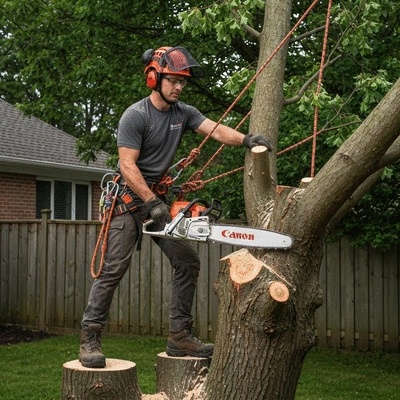
Assessing Tree Health Before Removal
A tree health assessment can help determine whether removal is necessary and identify structural problems that could affect the work. Deadwood, cavities, damaged limbs, fungal growth and changes in stability can all be relevant when assessing a tree.
The surrounding property is also important. A tree growing close to a house, driveway, fence or other structure may require a different removal method from one located in an open area.
Frequently Asked Questions About Tree Removal in Bellerive
- When should I consider removing a tree?
- A tree may need to be assessed for removal when it has significant decay, structural damage, dead branches, dangerous limbs or serious instability.
- Can a tree be pruned instead of removed?
- In some situations, pruning can address damaged or poorly positioned growth without removing the entire tree. The appropriate option depends on the tree's condition.
- Is tree removal suitable as a DIY job?
- Large or hazardous trees can present serious risks to people and property. Professional equipment and appropriate removal techniques may be required, particularly where structures are nearby.
- Does tree removal include stump grinding?
- Stump grinding is a separate part of the work and can be arranged when the remaining stump needs to be removed.
- Can storm-damaged trees be removed?
- Yes. Storm-damaged trees can be assessed to determine whether damaged branches can be pruned or whether complete removal is required.
Tree Removal Bellerive
Whether you need tree removal, tree lopping, tree pruning, stump grinding or land clearing in Bellerive, the condition of the trees, property layout and available access should all be considered before work begins.
Contact us on 0419 136 537.