Tree Removal Mount Nelson TAS
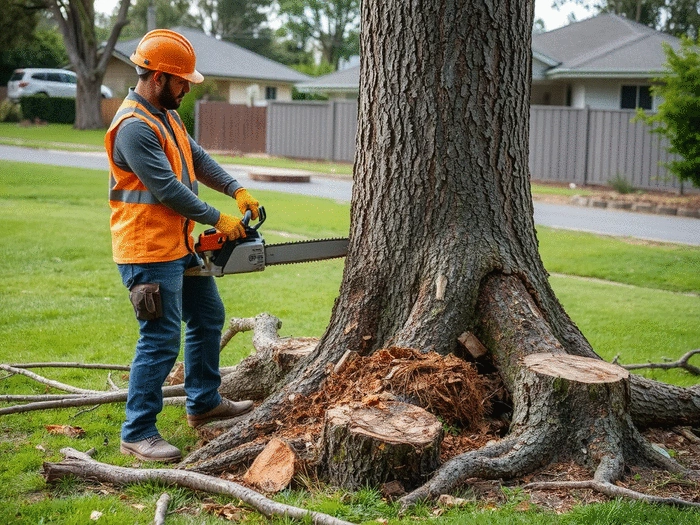
Tree Removal in Mount Nelson
Mount Nelson has a distinctive mix of established residential properties, mature gardens and extensive bushland. Properties around the suburb can sit on sloping ground, with some homes positioned above or below the road and surrounded by established vegetation. These conditions can make tree work very different from working on a flat suburban block.
When a tree becomes damaged, unstable, overgrown or simply no longer suits the property, the safest solution depends on its location, condition and surroundings. Tree removal in Mount Nelson may involve controlled dismantling rather than simply cutting a tree at its base, particularly where there are houses, retaining structures, gardens, driveways or limited access nearby.
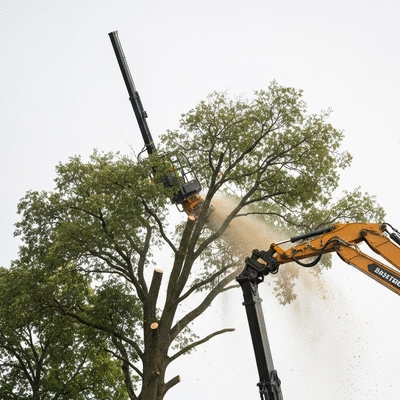
Tree Removal for Mount Nelson Properties
A tree does not necessarily need to be removed simply because it is large or old. The decision generally comes down to its condition, structural stability, position and the level of risk it presents to people or property.
Removal may be considered where a tree has substantial deadwood, significant trunk damage, major structural defects, severe decline or has been damaged by weather. Trees growing close to houses, garages, sheds, fences, retaining walls and access areas can also require closer assessment because there is less room for uncontrolled branch or trunk movement.
Mount Nelson's combination of residential properties and surrounding bushland means trees can also grow in locations where access is restricted. A tree may be positioned behind a house, below a steep driveway, close to a boundary or on a section of ground that makes conventional equipment difficult to use.
Sloping Blocks and Difficult Access
One of the important considerations for tree removal in Mount Nelson is the terrain. The suburb occupies elevated and sloping areas, and some residential properties have gardens and outdoor areas that follow the natural contours of the land.
A slope can affect how equipment is positioned and how branches, logs and other material are moved away from the work area. Where there is limited vehicle access, tree removal may need to be carried out progressively, with branches and sections of the trunk lowered or moved through a controlled work area rather than allowing material to fall freely.
Access should therefore be considered before work begins. Narrow driveways, retaining walls, steps, gardens and neighbouring properties can all influence the safest removal method.
Tree Lopping and Tree Pruning in Mount Nelson
Not every problem tree requires complete removal. In some cases, tree pruning can address specific branches while allowing a healthy tree to remain in place.
Pruning may be appropriate where dead, damaged or poorly positioned branches are affecting the tree's structure or creating clearance problems. Selective pruning can also help manage branches growing towards buildings, access areas or other parts of a property.
Tree lopping is sometimes requested when a tree has become too large for its location, but simply cutting large sections from the canopy is not always the appropriate solution. The work needs to take account of the tree's structure and future growth rather than removing branches indiscriminately.
For Mount Nelson properties surrounded by established vegetation, maintaining the right balance between useful tree cover and safe clearance can be particularly important.
Trees and Bushland Around Mount Nelson
Mount Nelson is closely associated with surrounding bushland, including the forest environment around Bicentennial Park. The area includes different vegetation types, ranging from tall open eucalypt woodland to denser scrub.
This creates a different tree-management environment from a densely developed, flat suburban area. Trees can occur close to natural vegetation corridors, gullies and bushland edges, while residential gardens may contain established native and introduced plantings.
Where tree removal or land clearing is being considered near bushland, the location and surrounding vegetation should be taken into account before work begins. The City of Hobart's planning information specifically identifies vegetation types, drainage, topography, soil and existing access as relevant site considerations for development work.
Stump Grinding After Tree Removal
Removing the tree does not necessarily finish the job. Once the trunk and branches have been cleared, the remaining stump can continue to occupy valuable space in a garden or create an obstacle for future landscaping.
Stump grinding removes the visible portion of the stump below the surrounding ground level, making it easier to reclaim the area. This can be particularly useful where a former tree is being replaced with lawn, garden beds, paving or another landscape feature.
On sloping Mount Nelson properties, stump location can also matter. A stump beside a driveway, retaining structure, pathway or garden edge may interfere with future use of the area, so it is worth considering stump grinding when planning the original tree removal.
Storm-Damaged and Unstable Trees
Weather can quickly change the condition of a tree. A tree that appeared stable before a storm may develop broken branches, splits, exposed roots or a noticeable change in its lean afterwards.
Particular care is needed where storm damage occurs close to a house, driveway, footpath, fence or neighbouring property. Damaged branches can be unstable even when they remain attached to the tree, while a damaged root system can affect the tree's stability.
If a tree has suddenly developed a significant lean, major trunk damage or exposed roots, keeping people away from the immediate area until it can be assessed is sensible.
Land Clearing in Mount Nelson
Land clearing can involve considerably more than removing individual problem trees. A property may require vegetation to be cleared for building work, access improvements, landscaping or other planned changes.
Mount Nelson's combination of residential land and areas of natural bushland means clearing requirements can vary significantly from one property to another. On a sloping site, the sequence of vegetation removal can also affect access and how cleared material is handled.
Where clearing is proposed, it is important to understand what vegetation can legally be removed from the particular property before work begins. The City of Hobart has specific information relating to private trees and significant trees, including a Significant Tree Code under the Tasmanian Planning Scheme.
Tree Removal Near Homes, Fences and Gardens
Many Mount Nelson homes have established gardens and mature vegetation close to buildings. This can make the location of a tree just as important as its size.
A large tree standing in an open section of land may have plenty of room for removal, while a smaller tree positioned between a house and fence can require much greater control. Branches may need to be removed in sections to avoid gardens, roofs, sheds, vehicles and other structures.
Before removal begins, the work area should be considered from ground level as well as from above. Access for equipment, the direction of potential branch movement, nearby structures and the available space for handling timber can all influence the removal method.
When Should a Mount Nelson Tree Be Removed?
There is no single rule that applies to every tree. Some trees with dead branches or structural defects may be suitable for pruning, while others may have deterioration or positioning issues that make removal more appropriate.
Warning signs worth having assessed include:
- Large dead or broken branches
- Significant cracks or splits in the trunk
- A noticeable change in the tree's lean
- Exposed or damaged roots
- Major sections of dead canopy
- Decay or cavities in important structural parts of the tree
- Branches growing into buildings, access areas or other structures
The surrounding site is also important. A tree in an isolated part of a property presents a different set of considerations from one growing beside a home on a steep block.
Planning Tree Work on a Mount Nelson Property
Before arranging tree removal, it helps to consider everything around the tree rather than looking at the tree itself.
- Identify buildings, fences, retaining walls and other structures close to the tree.
- Consider driveway and vehicle access to the work area.
- Move outdoor furniture, vehicles and other movable items away from the immediate area.
- Keep children and pets away from the work zone.
- Identify neighbouring properties where branches or the trunk are close to the boundary.
- Consider whether stump grinding should be completed at the same time.
For properties close to bushland or other sensitive vegetation, the surrounding environment should also be considered. Mount Nelson contains significant areas of natural vegetation and habitat, so vegetation management needs to take account of the wider site rather than treating every tree as an isolated feature.
Frequently Asked Questions About Tree Removal in Mount Nelson
Does a sloping Mount Nelson property make tree removal more difficult?
It can. Sloping ground can affect equipment positioning, access and the movement of branches and timber. The available working space and the location of buildings, retaining walls and gardens also need to be considered.
Can a tree be pruned instead of removed?
Sometimes. If the tree is structurally sound and the problem is limited to particular branches, selective pruning may be an alternative to complete removal. The appropriate option depends on the condition and position of the tree.
When is stump grinding required?
Stump grinding is useful when you want to remove the remaining stump after a tree has been felled. It can free up space for landscaping, lawn, paving or other future use of the area.
Do Mount Nelson properties require special consideration because of nearby bushland?
Properties close to bushland can have additional vegetation and site considerations. Mount Nelson contains extensive natural bushland and a range of vegetation types, so proposed clearing should be considered in the context of the surrounding site.
What is the difference between tree lopping and tree removal?
Tree lopping generally involves cutting branches or sections of the canopy while leaving the tree standing. Tree removal involves taking the tree down completely. The appropriate service depends on the condition, structure and location of the tree.
How do I know whether a damaged tree needs to be removed?
Damage does not automatically mean a tree must be removed. A tree with broken branches may be suitable for pruning, while major trunk damage, root problems or serious structural instability may require removal. An assessment of the individual tree and its surroundings can help determine the appropriate approach.
Tree Removal Mount Nelson
If you have a tree that is damaged, overgrown, unstable or causing problems around your Mount Nelson property, the first step is to assess the tree and the surrounding site. The slope of the property, access, nearby buildings, gardens, fences and surrounding vegetation can all influence how the work should be carried out.
Tree removal, tree lopping, tree pruning, stump grinding and land clearing each have different purposes. Choosing the right service can help avoid unnecessary removal while addressing genuine safety, access or property concerns.
For related information, you can also read our guide to tree removal in Dynnyrne, which covers the assessment and removal process for another nearby Hobart suburb.
If you need tree removal in Mount Nelson, contact us 0419 136 537 to discuss the tree, its location and the work required.
